


Scroll through social media long enough and it can start to feel like everyone has hours to spare in the kitchen. Influencers stroll through farmers markets, harvest vegetables from backyard gardens and prepare beautiful meals from scratch with seemingly endless time and energy. But in everyday life, most families are balancing work, school, sports practices and everything else the week throws their way. That’s where frozen food can make a real difference.
Convenient, affordable and surprisingly nutritious, frozen food helps busy households get good meals on the table without adding stress to the schedule. Although March is recognized as National Frozen Food Month, these simple, time-saving staples deserve appreciation year-round. Join Food Town as we take a closer look at why frozen foods deserve a place in your meal rotation.
Have you ever wondered how frozen foods maintain their flavor, color and nutrients? The answer often comes down to modern freezing techniques designed to preserve foods at their peak. One of the most common methods is flash freezing, where fruits and vegetables are frozen very quickly, shortly after they’re harvested. The rapid freezing helps lock in nutrients, flavor and texture before food has time to lose quality.
Another technique used in many frozen foods is individual quick freezing (IQF). This method freezes each piece separately — think berries, peas or shrimp — so they don’t clump together in the package. IQF makes it easy to pour out exactly what you need and return the rest to the freezer.
Today’s frozen foods have come a long way from the TV dinners many people remember from decades past. With options ranging from frozen vegetables and fruits to full entrées and ready-to-cook proteins, the freezer aisle now offers convenience without sacrificing taste or quality.

When it comes to frozen food vs fresh, which option is actually better? The truth is, both have their place in a healthy kitchen.
One common myth is that frozen vegetables aren’t as nutritious as fresh ones. In reality, the opposite can sometimes be true. Because frozen vegetables and fruits are often picked and flash frozen at their peak, they can retain nutrients extremely well — sometimes even better than produce that spends days traveling to reach store shelves. There are also practical advantages to choosing the frozen route.
Your budget can also play a role in the decision between frozen vegetables vs fresh. Fresh produce may be more affordable when it’s in season, while frozen vegetables often offer consistent pricing year-round. Smart shoppers often use a mix of both to get the best value and flexibility.
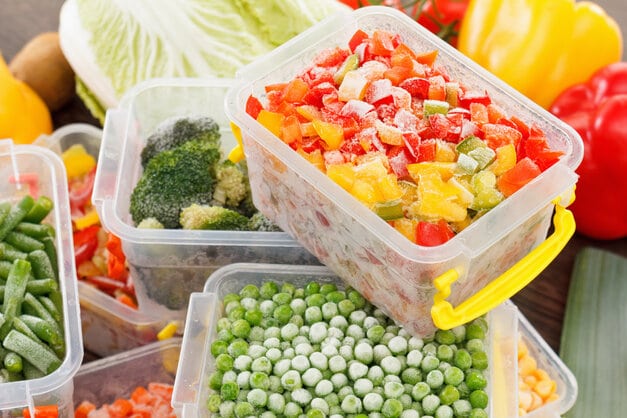
The freezer aisle isn’t the only place to find great meal options. Freezing food at home can also help stretch your grocery budget and reduce waste. If you find a great deal on fresh fruits or vegetables, consider prepping and freezing them yourself. In-season produce is often more affordable, due to its availability. The U.S. Department of Agriculture’s Seasonal Produce Guide offers a handy run-down of what to buy when.
Soups, casseroles, pasta dishes and cooked proteins also often freeze beautifully and make excellent ready-to-reheat dinners on hectic nights. Preparing a double batch of a favorite recipe and freezing half is a simple way to build your own stash of convenient frozen food options. Here are some tips to keep in mind when freezing food.
One of the best things about frozen foods is how easy they are to customize. A few extra ingredients or spices can transform a simple freezer meal into something that feels like homemade food. Frozen vegetables can become a flavorful side dish with the addition of garlic, olive oil or fresh herbs. Frozen pasta meals can be dressed up with sautéed vegetables or extra protein. Even frozen pizza can be upgraded with fresh toppings from your refrigerator.
This homemade-without-the-hassle approach allows you to enjoy the convenience of frozen food while still adding your own personal touch. Looking for inspiration? Be sure to check out our Frozen Foods Fixer-Uppers Pinterest board, which is packed with creative ways to elevate everyday frozen items.
From frozen vegetables and fruits to family-friendly entrées and convenient meal starters, your Food Town’s freezer aisle is filled with options designed to make life a little easier. (And our produce section is the perfect starting point for anyone looking to freeze their own foods!) Swing by and fill your freezer at Food Town. We can’t wait to see you, neighbor!
Normal Operating Hours:
Monday – Sunday | 6 a.m. – 10 p.m.
Scroll through social media long enough and it can start to feel like everyone has hours to spare in the kitchen. Influencers stroll through farmers markets, harvest vegetables from backyard gardens and prepare beautiful meals from scratch with seemingly endless time and energy. But in everyday life, most families are balancing work, school, sports practices and everything else the week throws their way. That’s where frozen food can make a real difference.
Convenient, affordable and surprisingly nutritious, frozen food helps busy households get good meals on the table without adding stress to the schedule. Although March is recognized as National Frozen Food Month, these simple, time-saving staples deserve appreciation year-round. Join Food Town as we take a closer look at why frozen foods deserve a place in your meal rotation.
Have you ever wondered how frozen foods maintain their flavor, color and nutrients? The answer often comes down to modern freezing techniques designed to preserve foods at their peak. One of the most common methods is flash freezing, where fruits and vegetables are frozen very quickly, shortly after they’re harvested. The rapid freezing helps lock in nutrients, flavor and texture before food has time to lose quality.
Another technique used in many frozen foods is individual quick freezing (IQF). This method freezes each piece separately — think berries, peas or shrimp — so they don’t clump together in the package. IQF makes it easy to pour out exactly what you need and return the rest to the freezer.
Today’s frozen foods have come a long way from the TV dinners many people remember from decades past. With options ranging from frozen vegetables and fruits to full entrées and ready-to-cook proteins, the freezer aisle now offers convenience without sacrificing taste or quality.
When it comes to frozen food vs fresh, which option is actually better? The truth is, both have their place in a healthy kitchen.
One common myth is that frozen vegetables aren’t as nutritious as fresh ones. In reality, the opposite can sometimes be true. Because frozen vegetables and fruits are often picked and flash frozen at their peak, they can retain nutrients extremely well — sometimes even better than produce that spends days traveling to reach store shelves. There are also practical advantages to choosing the frozen route.
Your budget can also play a role in the decision between frozen vegetables vs fresh. Fresh produce may be more affordable when it’s in season, while frozen vegetables often offer consistent pricing year-round. Smart shoppers often use a mix of both to get the best value and flexibility.
The freezer aisle isn’t the only place to find great meal options. Freezing food at home can also help stretch your grocery budget and reduce waste. If you find a great deal on fresh fruits or vegetables, consider prepping and freezing them yourself. In-season produce is often more affordable, due to its availability. The U.S. Department of Agriculture’s Seasonal Produce Guide offers a handy run-down of what to buy when.
Soups, casseroles, pasta dishes and cooked proteins also often freeze beautifully and make excellent ready-to-reheat dinners on hectic nights. Preparing a double batch of a favorite recipe and freezing half is a simple way to build your own stash of convenient frozen food options. Here are some tips to keep in mind when freezing food.
One of the best things about frozen foods is how easy they are to customize. A few extra ingredients or spices can transform a simple freezer meal into something that feels like homemade food. Frozen vegetables can become a flavorful side dish with the addition of garlic, olive oil or fresh herbs. Frozen pasta meals can be dressed up with sautéed vegetables or extra protein. Even frozen pizza can be upgraded with fresh toppings from your refrigerator.
This homemade-without-the-hassle approach allows you to enjoy the convenience of frozen food while still adding your own personal touch. Looking for inspiration? Be sure to check out our Frozen Foods Fixer-Uppers Pinterest board, which is packed with creative ways to elevate everyday frozen items.
From frozen vegetables and fruits to family-friendly entrées and convenient meal starters, your Food Town’s freezer aisle is filled with options designed to make life a little easier. (And our produce section is the perfect starting point for anyone looking to freeze their own foods!) Swing by and fill your freezer at Food Town. We can’t wait to see you, neighbor!

It’s rodeo time in our hometown of Houston, partner! And that means bull riding and mutton bustin’, big old belt bu...
Crawfish season in Texas means backyard boils filled with friends, family and flavor. There’s nothing quite like c...
Mama La’s Kitchen is a Houston-based brand that makes it easy to incorporate authentic Asian flavor into everyday mea...
If you can't find an item you're searching for, let us know! We're always looking for ways to improve your Food Town experience, and we'll do our best to make that product available. Make a suggestion
27 Houston-Area Locations
